Creating Safe and Inviting Children's Play Areas in Gardens
Table Of Contents
Soft Landscaping Solutions for Play Areas
Incorporating soft landscaping solutions can significantly enhance the safety and appeal of children's play areas within gardens. One effective option is to use natural grass, which provides a cushioning surface for falls and a welcoming environment for kids. It encourages outdoor play and connection to nature while being a versatile choice that can easily complement various garden designs.
In addition to grass, other soft landscaping elements like low-maintenance shrubs and flower beds create a vibrant atmosphere. These additions serve multiple purposes, such as defining play zones and offering shade and shelter. They can evoke a sense of adventure and exploration, stimulating children's imaginations while ensuring safety remains a priority.
Benefits of Grass and Safety Surfacing
Natural grass provides children with a soft and forgiving surface for play, reducing the risk of injuries from falls. Its resilience makes it ideal for active play and outdoor activities. Additionally, grass supports healthy physical development by encouraging children to run, jump, and engage in various forms of active play. This promotes not only physical fitness but also mental wellbeing by allowing children to connect with nature.
Safety surfacing, such as rubber mulch or foam mats, complements grass by offering extra protection in high-traffic play areas. These materials are designed to absorb impact, further diminishing the chance of serious injuries during play. They are available in various colours and textures, allowing for creative designs that enhance the visual appeal of play spaces while prioritising safety. Investing in both grass and safety surfacing creates a harmonious environment where play can happen without unnecessary risks.
Maintenance of Play Areas
Maintaining children's play areas is essential for ensuring safety and longevity. Regular inspections should be a routine part of the upkeep process. Look for wear and tear on equipment, check safety surfacing for damage, and ensure that landscaping remains free of hazards. Regular mowing and edging of grass contribute to a neat appearance while preventing potential tripping risks. Keeping pathways clear and ensuring proper drainage can also help maintain a safe environment for play.
During maintenance, it is important to address any weather-related damage promptly. Fallen branches, debris, or overgrown shrubs can pose risks. Seasonal maintenance is crucial, as it allows for the timely repair of any issues and promotes healthy growth in plants. Establishing a consistent schedule for maintenance can make it easier to keep track of required tasks and ensure that the play area remains inviting and safe for children.
Regular Checks and Upkeep Procedures
Routine maintenance is essential for ensuring that children's play areas remain safe and functional. Inspecting play equipment for signs of wear and tear should occur regularly. Hardware can loosen over time, leading to potential hazards. It is also important to examine safety surfacing for any damage or degradation. Such checks help identify issues before they become serious, allowing for timely repairs.
Keeping the area tidy contributes to a safer environment for children. Litter and debris can create tripping hazards and foster an unwelcoming atmosphere. Regularly clearing the space encourages positive use and promotes good health. Additionally, it is beneficial to check for any weeds or overgrowth that may encroach upon play zones. Maintaining a neat and organised space supports both safety and the overall enjoyment of the play area.
Creating an Inviting Atmosphere
An inviting atmosphere in children's play areas can significantly enhance the overall experience for both children and parents. Incorporating vibrant colours through play equipment and surrounding landscaping creates a stimulating environment. Natural elements such as trees and shrubs not only provide shade but also foster a sense of adventure. Adding decorative features like whimsical sculptures or themed play structures encourages imaginative play and invites children to explore their surroundings.
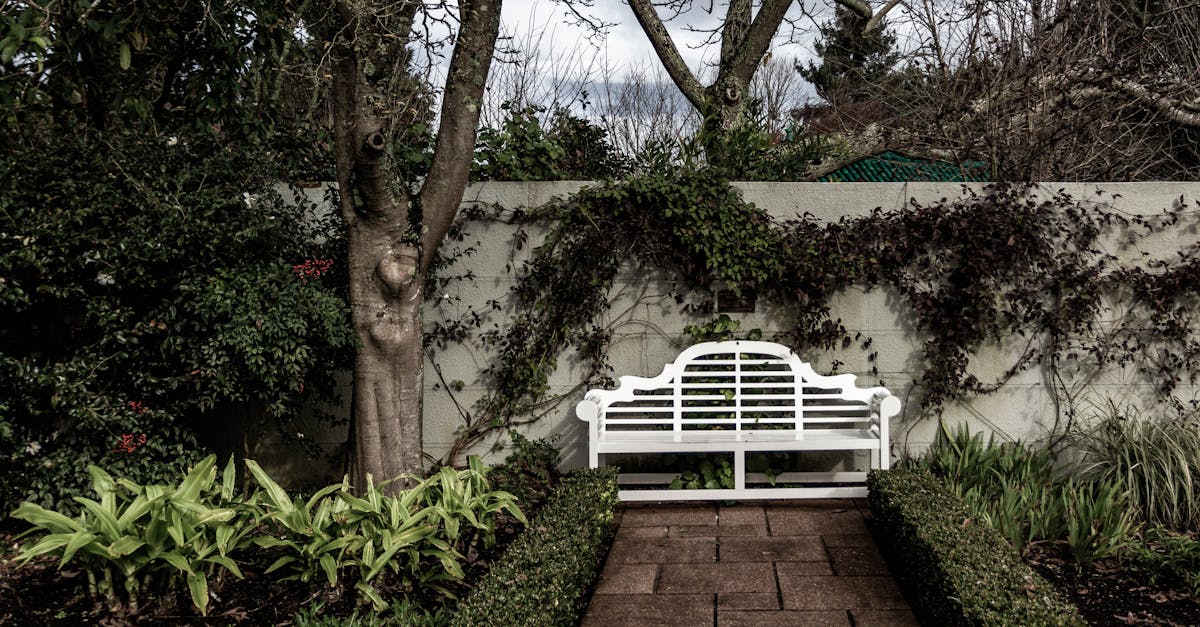
The arrangement of seating areas for caregivers also contributes to an inviting space. Comfortable benches or picnic tables placed strategically allow parents to supervise their children while enjoying their own relaxation. Utilising sensory elements such as fragrant plants or textured materials further engages children's curiosity. Creating a sense of community through shared spaces can strengthen social connections among families while promoting outdoor play.
The Role of Aesthetics in Children's Play Areas
Visual appeal is a significant factor in the design of children's play areas. Bright colours, intriguing shapes, and playful designs can capture a child's attention, inspiring imaginative play. Elements like whimsical sculptures or themed play structures create a joyous environment that encourages exploration and social interaction. Parents often appreciate well-designed areas as they tend to be inviting and comforting, enhancing their children's desire to engage in outdoor activities.
Incorporating natural features such as gardens, trees, and artistic landscaping further contributes to an inviting atmosphere. These elements instil a sense of wonder and connection to nature. A cohesive design approach that balances aesthetics with functionality can create spaces where children feel safe while stimulating their curiosity. Thoughtfully placed seating areas for adults also promote a welcoming environment, allowing parents and caregivers to relax while keeping an eye on their kids.
FAQS
What are some soft landscaping solutions for children's play areas?
Soft landscaping solutions for children's play areas include options like grass, artificial turf, rubber mats, and mulch. These materials provide a safe, cushioned surface for children to play on while enhancing the overall aesthetics of the garden.
Why is grass a good choice for play areas?
Grass is a natural and soft surface, making it ideal for play areas. It offers cushioning to reduce the risk of injury, is environmentally friendly, and provides a pleasant space for children to run and play.
How often should play areas be maintained?
Play areas should be inspected regularly, ideally on a monthly basis, to ensure that the surfaces are safe and clean. Additionally, a more thorough maintenance check should be conducted every season to address any wear and tear or necessary repairs.
What are some key maintenance procedures for children's play areas?
Key maintenance procedures include checking for hazards such as broken equipment, ensuring surfaces are level and free of debris, replenishing safety surfacing materials, and regularly mowing grass or maintaining artificial turf.
How can I create an inviting atmosphere in a children's play area?
To create an inviting atmosphere, incorporate colourful play equipment, comfortable seating for parents, shaded areas with trees or awnings, and interactive elements like sensory gardens. Thoughtful landscaping and decorative touches can also enhance the overall appeal.
Related Links
Using Vertical Gardens to Maximise Limited Backyard SpaceSeasonal Planting Strategies for Beautiful Year-Round Gardens
Nature-Inspired Design Ideas for Tranquil Garden Spaces
Combining Aesthetics and Functionality in Garden Pathways
Designing Edible Gardens for Urban Dwellers
Enhancing Privacy with Strategic Garden Layouts