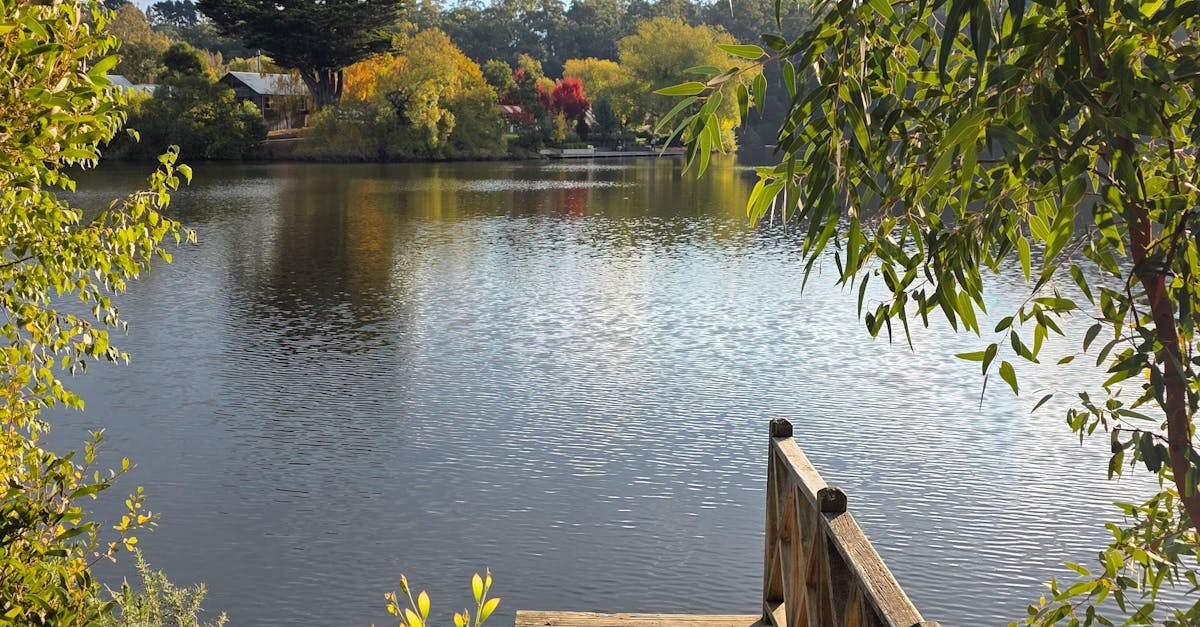
Xeriscaping: Designing Drought-Resistant Landscapes in Victoria
Table Of Contents
Water Conservation Strategies
Implementing effective water conservation strategies is essential for creating sustainable landscapes, particularly in regions susceptible to drought. One of the key techniques involves selecting native plants that thrive in local conditions. These plants typically require less water and are better adapted to the climate, ultimately reducing the need for supplemental irrigation. Mulching around these plants also helps retain moisture in the soil while suppressing weeds that compete for water.
Rainwater harvesting systems provide an additional layer of efficiency, capturing and storing rainwater for later use in watering gardens. By directing downspouts into rain barrels or cisterns, homeowners can significantly reduce their reliance on municipal water supplies. Furthermore, installing permeable paving can enhance water absorption into the ground. This approach minimises runoff and allows for natural recharge of aquifers, contributing to the overall health of the local ecosystem.
Efficient Irrigation Methods
Utilising efficient irrigation methods is crucial for maximising water usage in xeriscaping. Drip irrigation systems offer targeted watering directly to the root zones of plants, minimising evaporation and runoff. This approach allows for precise control over the amount of water delivered, encouraging healthy growth while conserving resources. Additionally, incorporating timers and sensors can optimise watering schedules based on weather conditions, ensuring that plants receive only the moisture they require.
Rainwater harvesting presents another sustainable option for irrigation in drought-prone areas. Collecting rainwater from rooftops and other surfaces can provide a significant supplement to traditional water sources. By installing rain barrels or cisterns, homeowners can create a reserve that significantly reduces reliance on mains water for their gardens. This method not only saves water but also promotes a responsible approach to landscape management, fostering a sense of environmental stewardship.
Designing Functional Spaces
Creating usable outdoor areas involves careful planning and consideration of the landscape’s natural features. A well-thought-out layout ensures that spaces serve multiple purposes. Design elements should cater to leisure, entertainment, and recreation. Including native plants or xeriscaping methods can enhance the functionality while promoting sustainability.
The arrangement of furniture and pathways plays a vital role in the overall design. Ensuring accessibility for all potential users is crucial. Children’s play areas or seating zones can be integrated seamlessly with the surrounding environment. Incorporating shaded spots using trees or structural features improves comfort, enhancing the space's overall usability.
Balancing Aesthetics and Practicality
Creating a visually appealing landscape often begins with the selection of plants that complement the overall design while requiring minimal maintenance. Native and drought-tolerant species can serve this dual purpose, thriving in the local climate and offering a palette of colours and textures. When grouped creatively, these plants can provide visual interest throughout the year, ensuring the landscape remains vibrant without compromising water conservation goals.
Incorporating functional elements like seating areas or pathways enhances the practicality of a xeriscape. These features not only provide usability but also define spaces within the larger landscape design. Careful consideration of materials, such as gravel or permeable paving, can contribute to the aesthetic while facilitating effective drainage. This harmonious blend of form and function is essential in developing a landscape that is both beautiful and sustainable.
Incorporating Hardscaping Elements
Integrating hardscaping elements into a xeriscape design enhances both functionality and visual appeal. Materials such as stones, gravel, and bricks can create pathways that lead the eye through the landscape while providing practical surfaces that resist water loss. These non-plant features play a critical role in defining spaces while reducing soil erosion and managing water runoff. By incorporating items like seating areas or patios, homeowners can create inviting outdoor spaces that require minimal water maintenance.
Incorporating borders around garden beds helps delineate these areas while also serving a practical purpose. Raised beds made from stone or timber are ideal for promoting drainage and improving soil temperatures, which can be beneficial in a diverse climate like Victoria’s. Additionally, elements such as decorative boulders or rock formations add texture and interest to the landscape. These choices not only support the drought-resistant theme but also contribute to a cohesive aesthetic that enhances the overall design.
The Role of Paths and Borders
Paths and borders play a crucial role in defining the structure of xeriscaped gardens. They not only guide movement through the space but also enhance accessibility. The thoughtful arrangement of pathways can highlight different garden zones, allowing for easy navigation while preserving the integrity of plant life. Materials such as gravel, stone, or native timber can be used to create attractive pathways that integrate seamlessly into the landscape.
Borders serve as a transition between landscaped areas and more functional elements of a yard, such as driveways or lawn spaces. They can help reduce soil erosion and create clear boundaries, which can prevent the mingling of plants with grass or other undesirable elements. When designed strategically, these features can enhance the overall visual appeal of a xeriscaped garden, bringing together aesthetics and functionality in a harmonious way.
FAQS
What is xeriscaping?
Xeriscaping is a landscaping method that focuses on water conservation by using drought-resistant plants and efficient irrigation techniques, designed to thrive in arid conditions.
How can I implement water conservation strategies in my garden?
You can implement water conservation strategies by selecting native and drought-resistant plants, using mulch to retain soil moisture, and employing efficient irrigation methods like drip irrigation or soaker hoses.
What are some efficient irrigation methods for xeriscaping?
Efficient irrigation methods include drip irrigation systems, timed sprinklers, and soaker hoses, which deliver water directly to the plant roots and reduce evaporation.
How do I balance aesthetics and practicality in xeriscaping?
Balancing aesthetics and practicality can be achieved by selecting a variety of drought-resistant plants that provide visual interest, designing functional spaces with pathways and seating areas, and incorporating decorative elements that also serve a purpose.
What role do hardscaping elements play in xeriscaping?
Hardscaping elements, such as paths, borders, and patios, help define spaces, reduce water evaporation from soil, and create visual structure in the landscape while requiring little to no water to maintain.
Related Links
Selecting Water-Wise Plants for Sustainable Gardening PracticesImplementing Rainwater Harvesting Solutions in Residential Landscapes
The Benefits of Greywater Recycling in Residential Landscape Design
Assessing Soil Moisture Levels for Optimal Water Use Efficiency
Strategies for Reducing Water Waste in Landscape Maintenance
Rain Gardens: A Natural Solution for Stormwater Management
The Role of Mulching in Water Conservation for Local Gardens
Creating Efficient Drip Irrigation Networks for Urban Spaces
Innovative Irrigation Systems for Sustainable Gardens in Victoria