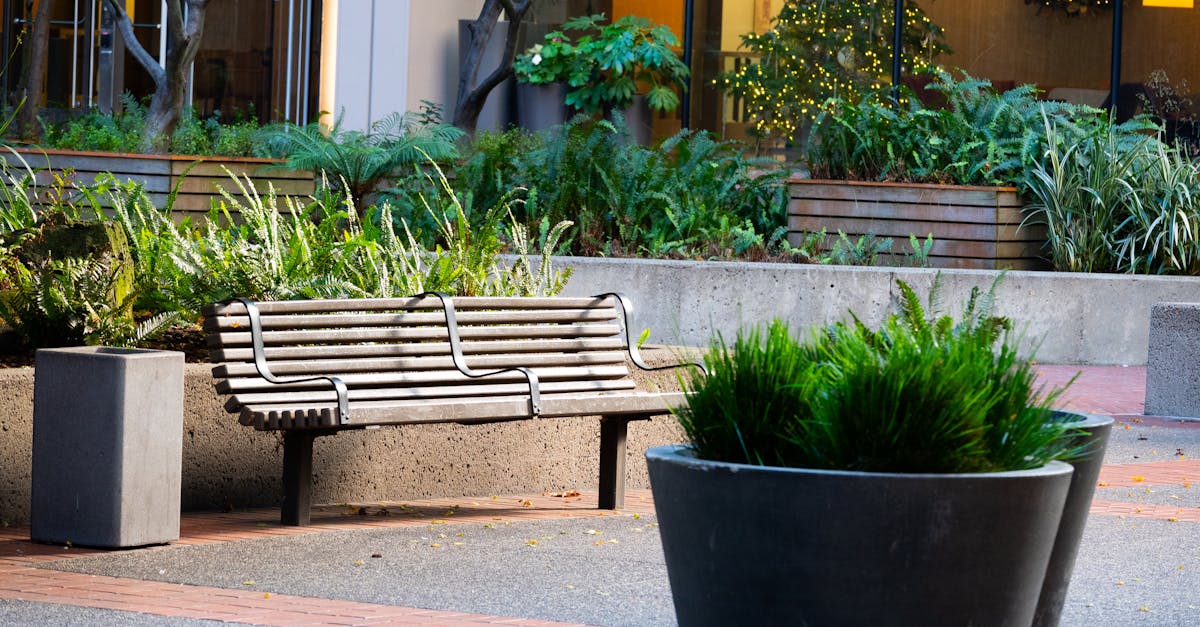
Creating Flexible Outdoor Spaces for Employee Engagement
Table Of Contents
Cultivating Community Through Outdoor Events
Outdoor events provide a unique opportunity for employees to connect beyond their usual work environment. Organising picnics, BBQs, or casual sporting events fosters collaboration and camaraderie among team members. These gatherings allow individuals from different departments to interact, breaking down silos and building a sense of belonging. A relaxed setting encourages open communication, making it easier for employees to share ideas and forge relationships.
Engaging in activities within flexible outdoor spaces can significantly enhance workplace morale. By creating memorable experiences, companies can reinforce a positive organisational culture. Outdoor events also cater to a diverse range of interests, ensuring that there is something for everyone. Incorporating different activities, from games to artistic workshops, ensures inclusivity and encourages participation across all levels of the workforce.
Organising Team Building Activities
Team building activities offer an excellent opportunity to enhance collaboration and camaraderie among employees. Outdoor settings naturally provide a refreshing backdrop, encouraging participants to break away from routine office dynamics. Engaging in activities such as obstacle courses, scavenger hunts, or group sports fosters teamwork while allowing individuals to showcase their strengths in a relaxed environment. These interactions often lead to improved communication skills and a greater understanding of each other’s roles within the organisation.
Planning these events requires attention to diverse interests and physical abilities, ensuring inclusivity for all team members. Options should accommodate different levels of participation, and flexible scheduling can help increase attendance and engagement. Prompt feedback mechanisms after events can assist in tailoring future activities. As employees bond over shared experiences and challenges, the sense of community within the workplace deepens, encouraging a more vibrant and supportive company culture.
Sustainable Practices in Outdoor Space Design
Incorporating sustainable practices into outdoor space design plays a crucial role in minimising environmental impact. Selecting native plants for landscaping not only enhances the aesthetic appeal but also supports local biodiversity. These plants typically require less water and maintenance, which reduces resource consumption over time. Implementing rainwater harvesting systems can further benefit the outdoor area by providing an eco-friendly irrigation solution. Using permeable paving materials allows for better water absorption and reduces runoff, contributing to efficient water management.
Designing outdoor spaces with sustainability in mind also involves the use of eco-friendly materials. Recycled materials can be utilised for furniture, pathways, and structures, demonstrating a commitment to environmental conservation while achieving an appealing design. Solar-powered lighting enhances safety and utility in outdoor workspaces without drawing on non-renewable energy sources. Creating engaging and functional areas that prioritise sustainability encourages employees to connect with their environment, fostering a culture of ecological awareness within the organisation.
Eco-Friendly Materials and Solutions
The choice of materials plays a crucial role in creating sustainable outdoor spaces. Reclaimed wood serves as an excellent option, offering durability while reducing the need for new timber. Additionally, using recycled composite materials for furniture and structures helps minimise waste and cut down on environmental impact. Incorporating permeable paving can enhance drainage, preventing water runoff and promoting healthier groundwater levels. These thoughtful selections not only provide functional benefits but also contribute to an eco-friendly aesthetic.
Incorporating native plants into landscaping further supports sustainability. These plants require less water and maintenance, making them ideal for outdoor environments. Solar-powered lighting can illuminate spaces without relying on grid energy, promoting both sustainability and cost-effectiveness. Implementing rainwater collection systems can assist in irrigation, ensuring that the outdoor areas remain lush without taxing local water resources. By focusing on these solutions, businesses can foster inviting spaces while staying committed to environmentally responsible practices.
Safety Considerations for Outdoor Work Environments
Prioritising safety in outdoor work environments is essential to ensure a secure experience for all employees. Conducting thorough risk assessments helps identify potential hazards, such as uneven surfaces, weather conditions, and proximity to heavy machinery or traffic areas. Providing adequate training for staff on safety protocols is vital. This covers emergency procedures and first aid access, creating a culture of awareness that empowers employees to act confidently in unexpected situations.
Additionally, maintaining the outdoor area plays a significant role in enhancing safety. Regular inspections of facilities like walkways, seating areas, and recreational equipment can prevent accidents caused by wear and tear. Adequate signage should clearly communicate any restrictions or areas with heightened risks. Implementing effective lighting for evening events or activities contributes to a safer environment. Engaging with employees to gather feedback on safety concerns further cultivates a sense of involvement and accountability in maintaining a secure outdoor workspace.
Ensuring a Secure and Comfortable Experience
Creating a safe and comfortable outdoor space is essential for employee engagement. Key elements include clearly marked paths, adequate lighting and comfortable seating to enhance the experience. Regular maintenance ensures that facilities remain welcoming, while provisions for shade and shelter protect from harsh weather conditions. This attention to detail fosters an inviting atmosphere that encourages employees to utilise the space more frequently.
In addition to physical comfort, addressing safety concerns is paramount. Installing security features, such as surveillance cameras or motion-sensor lights, adds a layer of reassurance for employees using the outdoor area. Providing access to first aid kits or trained personnel during events further enhances the overall sense of security. Prioritising these aspects creates an outdoor environment where employees feel valued and free to engage with one another.
FAQS
What are some benefits of creating flexible outdoor spaces for employees?
Flexible outdoor spaces promote employee engagement, enhance teamwork, reduce stress, and improve overall job satisfaction. They provide a refreshing environment that encourages creativity and collaboration.
How can outdoor events contribute to building community among employees?
Outdoor events foster social interactions, allowing employees to connect on a personal level outside of the usual work setting. This helps to strengthen relationships, improve morale, and create a sense of belonging within the workplace.
What types of team-building activities are suitable for outdoor settings?
Activities such as obstacle courses, scavenger hunts, sports days, and picnics are great for outdoor team building. These activities encourage teamwork, communication, and problem-solving while enjoying the fresh air.
What sustainable practices can be implemented in outdoor space design?
Sustainable practices may include using native plants, installing rain gardens, incorporating permeable paving, and implementing efficient irrigation systems. These methods help to conserve resources and promote biodiversity.
How can I ensure the outdoor work environment is safe for employees?
To ensure safety, regularly inspect the area for hazards, provide adequate lighting, implement clear signage, and ensure proper maintenance of furniture and equipment. Additionally, training employees on safety protocols is essential for a secure experience.
Related Links
Incorporating Art and Culture into Corporate LandscapesSustainable Practices for Corporate Campus Environments
Strategies for Eco-Friendly Landscaping in Offices
Integrating Technology into Corporate Campus Landscapes
The Impact of Corporate Landscaping on Business Image
Maximising Green Spaces in Office Developments
The Role of Nature in Promoting Employee Well-being
Enhancing Corporate Identity with Thoughtful Landscaping