Strategies for Eco-Friendly Landscaping in Offices
Table Of Contents
Incorporating Hardscaping
Hardscaping plays a significant role in enhancing the functionality of outdoor office spaces while contributing to an eco-friendly environment. Elements such as patios, walkways, and retaining walls can provide structure and organisation to landscapes. When selecting materials, it is essential to choose options that are both durable and sustainable. Recycled concrete, natural stone, or permeable pavers can be excellent choices that minimise environmental impact and promote proper drainage in outdoor areas.
Incorporating hardscaping features also allows for diverse design possibilities that harmonise with the surrounding environment. Constructing pathways using natural materials can lead to improved aesthetics and reduce soil erosion. Raised garden beds made from reclaimed timber can serve dual purposes, acting as both functional gardening spaces and attractive focal points. These features encourage an interactive experience with nature, supporting a workplace ethos that values sustainability and biodiversity.
Sustainable Materials for Walkways and Patios
Selecting eco-friendly materials for external pathways and patios significantly reduces environmental impact while enhancing aesthetic appeal. Reclaimed wood is an excellent choice due to its durability and unique character. Using recycled concrete provides a strong yet sustainable option, often incorporating aggregates from discarded materials. Both options can be treated with eco-friendly sealants to prolong their life and maintain appearance.
Alternatively, natural stone offers a timeless look and longevity without the footprint associated with many manufactured materials. Porous surfaces allow for better water drainage, reducing runoff and promoting groundwater replenishment. Additionally, permeable pavers create a stylish and environmentally responsible choice, allowing vegetation to grow between joints and further blending built and natural environments.
Wildlife-Friendly Spaces
Incorporating wildlife-friendly elements into office landscaping can enhance biodiversity while creating a more vibrant work environment. Native plants are essential as they provide food and habitat for local fauna. By choosing species that thrive in the local climate, businesses can establish a more resilient landscape that requires less maintenance and irrigation. Incorporating features such as birdhouses, bat boxes, and insect hotels encourages various species to thrive, promoting a healthy ecosystem.
Designing green spaces that support local wildlife also involves creating diverse habitats. This can be achieved by mixing plant heights and structures, ensuring that ground cover, shrubs, and trees coexist harmoniously. Ponds or water features can attract a rich variety of wildlife while serving as appealing focal points. Such designs not only foster a connection with nature but also invite employees to engage with their surroundings, enhancing their overall well-being.
Creating Habitats for Local Fauna
Incorporating native plants in your office landscaping can significantly enhance the habitat for local wildlife. These species are adapted to the local climate and soil conditions, making them easier to maintain while providing essential resources for birds, insects, and small mammals. Consider planting a diverse range of flora that offers food and shelter throughout the year. Flowering plants attract pollinators, while dense shrubs or trees provide nesting sites.
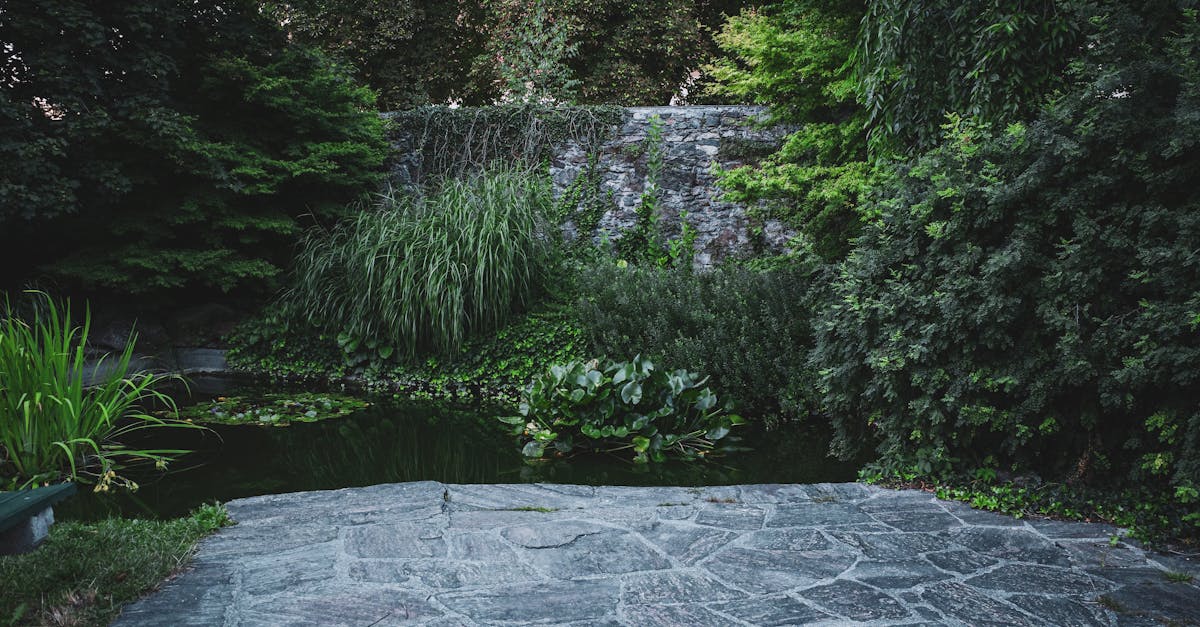
Water features, such as ponds or birdbaths, can further enrich these habitats. These elements not only serve as drinking sources but also create microhabitats for frogs and various insects. By combining plants with natural elements, your landscaping can develop a balanced ecosystem that supports local fauna and contributes to biodiversity. Fostering such environments benefits wildlife and enhances the overall aesthetic of the workplace.
Energy-Efficient Designs
Sustainably designed landscapes can significantly reduce energy consumption in office environments. By strategically placing trees and shrubs, businesses can create natural windbreaks and shade. This not only lessens the need for air conditioning during hotter months but also provides a more comfortable outdoor space for employees. The careful selection of plant species that thrive in the local climate can enhance energy efficiency further by ensuring that landscaping requires minimal irrigation.
Incorporating features such as green roofs and walls can also enhance energy efficiency, providing insulation that helps maintain indoor temperatures. These installations not only contribute to thermal comfort but can also increase biodiversity by supporting various flora and fauna. Choosing native plants for these designs further boosts environmental friendliness, as they are more resilient, require less water and fertilisation, and attract beneficial wildlife. By prioritising these energy-efficient practices, offices can make a significant impact on their overall environmental footprint.
Strategic Plant Placement for Shade and Cooling
Well-placed trees and shrubs can significantly reduce energy costs by providing shade during the hotter months. Strategic positioning of these plants around buildings allows for natural cooling, minimising reliance on air conditioning systems. The size and canopy shape of trees should be considered to ensure adequate coverage without obstructing windows or walkways. Evergreen species can offer year-round shade, while deciduous varieties provide cooling in the summer and allow sunlight to warm structures in the winter when their leaves drop.
In addition to energy savings, thoughtful plant placement can enhance the overall aesthetic of the office landscape. Grouping plants with similar needs together fosters healthy growth while creating visually appealing arrangements. Incorporating a variety of heights and textures can break the monotony of hard surfaces, adding a dynamic element to the environment. This blend of functionality and beauty supports employee wellbeing and encourages a connection with nature, making the workspace more inviting.
FAQS
What are some eco-friendly landscaping strategies for offices?
Some eco-friendly landscaping strategies include incorporating hardscaping with sustainable materials, creating wildlife-friendly spaces, and designing energy-efficient layouts through strategic plant placement.
What materials are considered sustainable for walkways and patios?
Sustainable materials for walkways and patios include recycled concrete, permeable pavers, reclaimed wood, and natural stone that is locally sourced to minimise transportation emissions.
How can I create habitats for local wildlife in my office landscape?
You can create habitats for local wildlife by planting native flora, providing shelter options like birdhouses and insect hotels, and ensuring a water source such as a small pond or birdbath.
What are some benefits of energy-efficient landscaping?
Energy-efficient landscaping can reduce heating and cooling costs, enhance outdoor aesthetics, improve employee well-being, and contribute to a company's sustainability goals.
How can strategic plant placement help with shade and cooling?
Strategic plant placement involves positioning trees and shrubs to block direct sunlight during peak hours, thereby reducing heat absorption by buildings and lowering cooling energy costs.
Related Links
Integrating Technology into Corporate Campus LandscapesDesigning Inspiring Workspaces Through Landscape Design
The Impact of Corporate Landscaping on Business Image
Maximising Green Spaces in Office Developments
Incorporating Art and Culture into Corporate Landscapes
Creating Flexible Outdoor Spaces for Employee Engagement
Sustainable Practices for Corporate Campus Environments
The Role of Nature in Promoting Employee Well-being