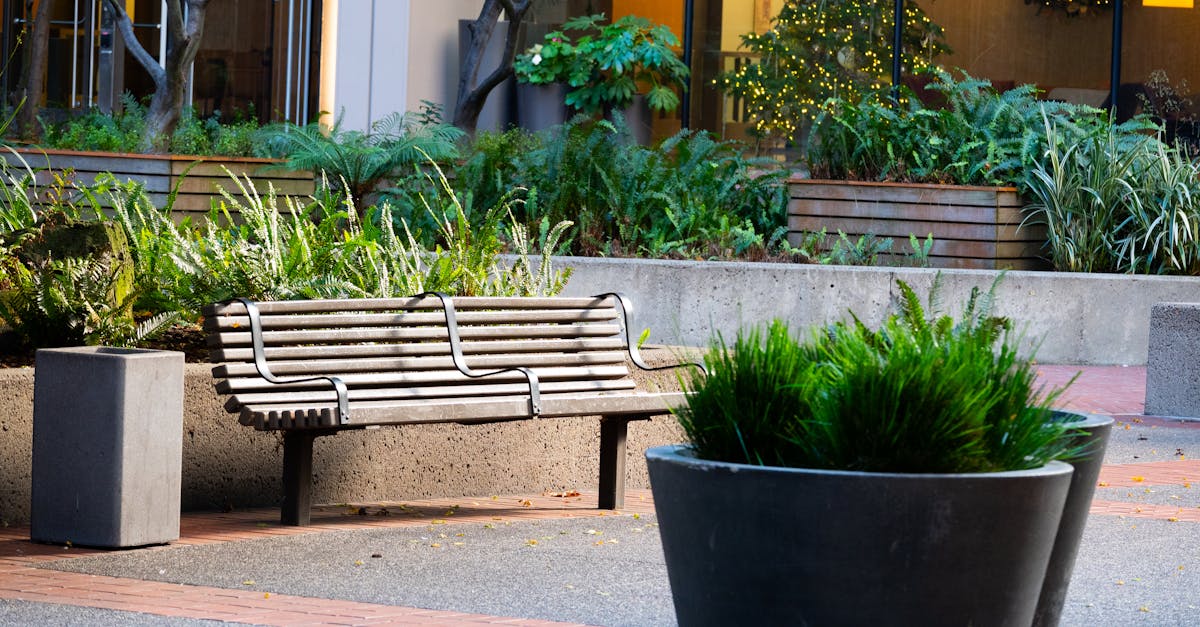
Creating Inviting Pedestrian Pathways for Improved Foot Traffic
Table Of Contents
Safety Considerations in Pathway Design
Creating safe pedestrian pathways involves a range of considerations that directly impact user experience. Pathways should be designed with clear sightlines to improve visibility, reducing the potential for accidents. Incorporating materials that provide good traction is essential, especially in wet conditions, to help prevent slips and falls. Barrier-free designs should be prioritised to accommodate all users, including those with mobility challenges. Adequate width allows for comfortable passage, ensuring pedestrians can navigate without feeling cramped or unsafe.
Effective pathway design also takes into account the surrounding environment. Low shrubs and vegetation should be maintained to keep pathways clear of obstructions, allowing for unobstructed views between pedestrians and oncoming traffic. Marked crossings and the inclusion of safety signage can alert users to potential hazards, enhancing overall safety. Regular maintenance of pathways is crucial to identify and rectify any issues promptly, ensuring that pathways remain inviting spaces for foot traffic.
Implementing Effective Lighting Solutions
Proper lighting is essential in enhancing the overall safety and appeal of pedestrian pathways. It plays a crucial role in deterring crime and ensuring that pedestrians feel comfortable walking after dark. Installing a combination of ambient and task lighting can effectively illuminate walkways, making navigation easier and reducing the potential for accidents. The strategic placement of lights along pathways can help highlight potential hazards, such as uneven surfaces or changes in elevation, thereby improving user experience and safety.
Incorporating renewable energy solutions, such as solar-powered lights, can offer sustainable options for pathway illumination. These systems require less maintenance and can operate autonomously, significantly reducing ongoing operational costs. Ultimately, effective lighting should consider both functionality and aesthetics, creating an inviting atmosphere that encourages foot traffic while maintaining a focus on safety and accessibility.
Accessibility for All Pedestrians
Creating pathways that accommodate all individuals is essential for fostering inclusive environments. The integration of smooth surfaces, gentle slopes, and ample width can significantly enhance the mobility of those using wheelchairs, walkers, or other assistive devices. Providing rest areas along longer routes is also beneficial, allowing pedestrians to rest and regain their energy as they navigate the space.
Additionally, clear signage and wayfinding techniques play a pivotal role in ensuring that all pedestrians can navigate the area with confidence. This includes the use of tactile ground surface indicators for those with vision impairments, as well as visible and easy-to-read information for those with cognitive disabilities. Considering these diverse needs during the design process will help create a truly accessible pathway that encourages greater foot traffic and community interaction.
Designing for Diverse Needs
Creating pathways that cater to a wide range of users ensures inclusivity and enhances the overall experience for pedestrians. This involves considering the diversity in age, mobility, and personal preferences. Young families may require strollers, while individuals with disabilities need easy access to ramps and smooth surfaces. Additionally, providing adequate space for both pedestrians and cyclists helps to minimise conflicts and fosters a sense of safety for all users.
Incorporating features such as seating areas and resting spots promotes the use of pathways by older adults as well as those requiring occasional breaks. It is beneficial to use materials that provide good traction in various weather conditions. Visual elements, like colourful signs and artistic designs, can make pathways more engaging while also aiding navigation for visitors who may be unfamiliar with the area. Balancing functionality with aesthetics creates an environment that invites all to explore and enjoy the space.
Community Involvement in Pathway Planning
Involving community members in the planning and design of pedestrian pathways fosters a sense of ownership and ensures that the final outcomes reflect the needs and preferences of local residents. Engaging with the public can be accomplished through workshops, surveys, and town hall meetings. These platforms provide opportunities for people to voice their opinions and share ideas. Listening to the community leads to pathways that are not only functional but also contribute to the aesthetic appeal and social dynamics of the area.
Local stakeholders, including business owners, schools, and community groups, play a vital role in the process. Their insights often highlight specific challenges and opportunities that may not be immediately obvious to planners. By including a diverse range of perspectives, pathway designs can be tailored to enhance connectivity within the community. Such collaboration may also result in initiatives that promote community pride and encourage increased foot traffic, creating vibrant and lively public spaces.
Engaging Local Residents and Stakeholders
Involving local residents and stakeholders in the planning process of pedestrian pathways fosters a sense of ownership and community pride. When individuals feel their voices are heard, they are more likely to support and advocate for projects that resonate with their needs. Organising workshops, surveys, and public forums can provide platforms for meaningful dialogue, allowing the community to share their insights and preferences. This feedback can help shape designs that genuinely reflect local culture and lifestyle.
Creating partnerships with local businesses can further enrich the planning process. Businesses often have a vested interest in foot traffic and can offer valuable perspectives on how pathways can support local economies. Collaborative initiatives, such as sponsorships or events, may also encourage a shared responsibility in maintaining the pathways and keeping them vibrant. By integrating the ideas and resources of both residents and stakeholders, towns and cities can develop pathways that serve as dynamic spaces fostering interaction and community connections.
FAQS
What are the key safety considerations when designing pedestrian pathways?
Key safety considerations include ensuring adequate visibility, implementing effective lighting solutions, maintaining clear sightlines, and providing barriers where necessary to protect pedestrians from vehicular traffic.
How can lighting improve pedestrian pathways?
Effective lighting solutions enhance visibility during nighttime, reduce the likelihood of accidents, deter crime, and create a more welcoming atmosphere for pedestrians, thereby encouraging increased foot traffic.
What measures can be taken to ensure pathways are accessible for all pedestrians?
To ensure accessibility, pathways should include features like smooth surfaces, ramps for wheelchair users, appropriate signage, and tactile guides for the visually impaired, making sure they cater to diverse needs.
Why is community involvement important in pathway planning?
Community involvement is crucial as it ensures that the needs and preferences of local residents and stakeholders are taken into account, leading to more effective and widely accepted pathway designs that promote foot traffic.
How can local residents and stakeholders be engaged in the pathway planning process?
Local residents and stakeholders can be engaged through community meetings, surveys, workshops, and collaborative planning sessions, allowing them to provide input and share ideas on the design and features of pedestrian pathways.
Related Links
Sustainable Materials for Effective Public Realm ImprovementsAccessibility Considerations in Commercial Streetscape Design
Green Infrastructure: Solutions for Urban Heat Mitigation
Implementing Smart Technology in Streetscape Initiatives
Climate Resilient Landscaping Strategies for Urban Areas
Integrating Art into Streetscape Elements for Visual Appeal