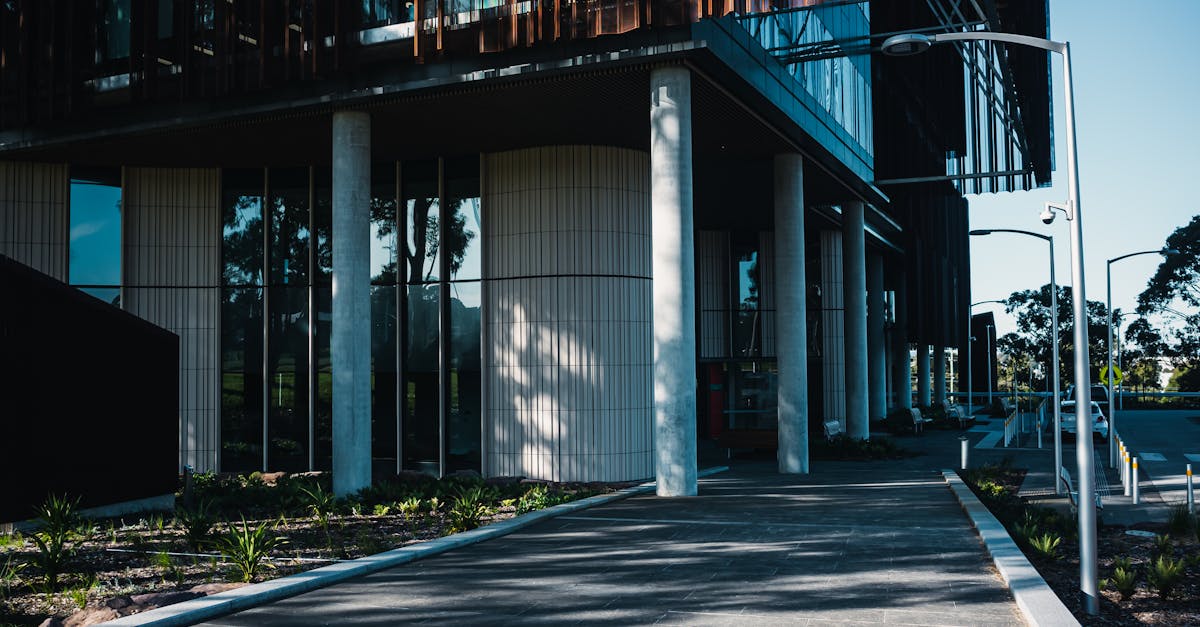
Green Infrastructure: Solutions for Urban Heat Mitigation
Table Of Contents
Community Spaces and Parks
Urban parks and community spaces play a vital role in mitigating the effects of heat in densely populated areas. These green havens provide essential relief from rising temperatures by lowering surrounding air temperatures through the natural cooling processes of plants. Dense tree canopies create shaded areas, offering residents respite from direct sunlight. Furthermore, well-designed paths and seating areas encourage social interaction, making these spaces not only functional but also inviting for community gatherings.
Effective design prioritises the selection of native and drought-resistant plant species, ensuring sustainability while enhancing biodiversity. The strategic placement of greenery promotes airflow and reduces the urban heat island effect. Additionally, integrating recreational amenities such as splash pads or shaded picnic spots can further enhance the appeal of these community spaces. Emphasising accessibility ensures that all community members can enjoy the benefits of nature, contributing to overall public health and well-being.
Designing for Shade and Comfort
Creating comfortable outdoor spaces requires thoughtful design that emphasises shade. Trees play a vital role in this, as their canopies provide natural cover from harsh sunlight. The selection of tree species should consider their growth patterns and the amount of shade they can offer. Incorporating pergolas and shade structures can complement natural elements and enhance user experience. Using materials that reflect heat rather than absorb it contributes to a cooler environment, making spaces more inviting during hotter months.
Seating areas and pathways also benefit from strategic planning to maximise comfort. The arrangement of furniture should encourage social interaction while ensuring that shaded zones are accessible. Integrating landscape elements such as climbing plants or awnings adds to the cooling effect, creating a harmonious balance between built and natural environments. In addition, using light-coloured surfaces can help counteract heat absorption, further improving overall comfort in urban settings.
Water Features in Urban Design
Incorporating water features into urban design offers numerous benefits for heat mitigation. Ponds, fountains, and artificial lakes not only enhance aesthetic appeal but also provide significant cooling effects. These bodies of water can lower surrounding air temperatures through the natural processes of evaporation and conduction. Strategically placed water features can create microclimates that contribute to greater comfort in public spaces, encouraging more outdoor activities.
Beyond their cooling properties, water features also support biodiversity and ecosystems within urban settings. They can serve as habitats for local wildlife, including birds and insects, which play a crucial role in maintaining ecological balance. Additionally, well-designed water elements can facilitate stormwater management, reducing runoff and improving water quality. Incorporating these aspects into urban planning can create more sustainable and resilient communities, ultimately enhancing the quality of urban life.
Cooling Effects of Lakes and Ponds
In urban environments, lakes and ponds serve as vital components in mitigating heat accumulation. These water bodies play a significant role in moderating temperatures through evaporative cooling. As the sun's rays warm the water's surface, evaporation occurs, which dissipates heat from both the water and the surrounding air. This process can lead to noticeable temperature reductions in nearby areas, creating microclimates that provide respite from the heat.
Moreover, strategically located ponds and lakes can enhance the aesthetic value of urban areas while promoting ecological benefits. They encourage biodiversity by providing habitats for various species, including birds and aquatic life. These features also offer recreation and leisure opportunities for residents, fostering a connection between people and nature. By integrating these natural elements into urban landscapes, cities can enhance their resilience against rising temperatures and improve the overall quality of life for their inhabitants.
Policy and Planning for Green Solutions
Effective policy and planning are crucial for the successful implementation of green infrastructure initiatives in urban areas. Local governments and city planners can create frameworks that encourage the integration of green spaces into existing urban settings. This can involve zoning regulations that promote the inclusion of parks and green roofs in residential and commercial developments. Engaging stakeholders, such as community members and environmental organisations, during the planning process also ensures that projects reflect the needs and desires of the population they serve, fostering a sense of ownership and commitment to maintaining these spaces.
Funding mechanisms play a vital role in supporting green infrastructure projects. Public-private partnerships can provide financial backing and resources necessary to design and execute these initiatives. Incentives, such as tax breaks or grants, may encourage developers to incorporate sustainable practices into their projects. Additionally, the establishment of long-term maintenance plans is essential to ensure that green spaces are not only created but also preserved for future generations. Collaborative efforts and strategic planning can enhance the resilience of urban environments against heat stress and contribute to overall community well-being.
Integrating Green Infrastructure into Urban Development
The implementation of green infrastructure in urban development requires a holistic approach that integrates environmental benefits with urban planning. This method fosters collaboration among various stakeholders, including local governments, urban planners, architects, and community groups. By engaging these parties, cities can assess the specific needs of their populations and tailor green solutions effectively. This engagement can also facilitate the gaining of public support for initiatives aimed at enhancing urban landscapes while addressing heat mitigation.
Incorporating green elements such as green roofs, wall gardens, and permeable pavements into new construction and retrofitting existing structures offers multiple advantages. These features can significantly reduce the urban heat island effect while improving air quality and enhancing aesthetic appeal. Additionally, the careful placement of trees and vegetation can provide cooling effects, thereby creating comfortable public spaces. A strategic approach to urban design promotes sustainability and resilience, ultimately contributing to healthier living environments for residents.
FAQS
What is green infrastructure?
Green infrastructure refers to a network of natural and semi-natural systems, such as parks, green roofs, and waterways, designed to manage stormwater, improve air quality, and provide urban heat mitigation.
How do community spaces and parks help reduce urban heat?
Community spaces and parks provide shaded areas, increase vegetation cover, and promote cooling through evapotranspiration, which collectively help to lower urban temperatures and improve overall comfort for residents.
What role do water features play in urban design for heat mitigation?
Water features like lakes, ponds, and fountains contribute to cooling the surrounding air through evaporation, providing a significant temperature reduction and creating pleasant microclimates in urban environments.
What are the benefits of integrating green infrastructure into urban development?
Integrating green infrastructure into urban development enhances biodiversity, improves air and water quality, reduces heat island effects, and provides recreational spaces, leading to healthier urban communities.
How can local governments promote the adoption of green infrastructure solutions?
Local governments can promote green infrastructure by implementing supportive policies, providing funding and incentives for green projects, and engaging in community education to raise awareness of the benefits of such initiatives.
Related Links
Implementing Smart Technology in Streetscape InitiativesEnhancing Urban Connectivity through Thoughtful Streetscape Design
Climate Resilient Landscaping Strategies for Urban Areas
Sustainable Materials for Effective Public Realm Improvements
Creating Inviting Pedestrian Pathways for Improved Foot Traffic
Accessibility Considerations in Commercial Streetscape Design